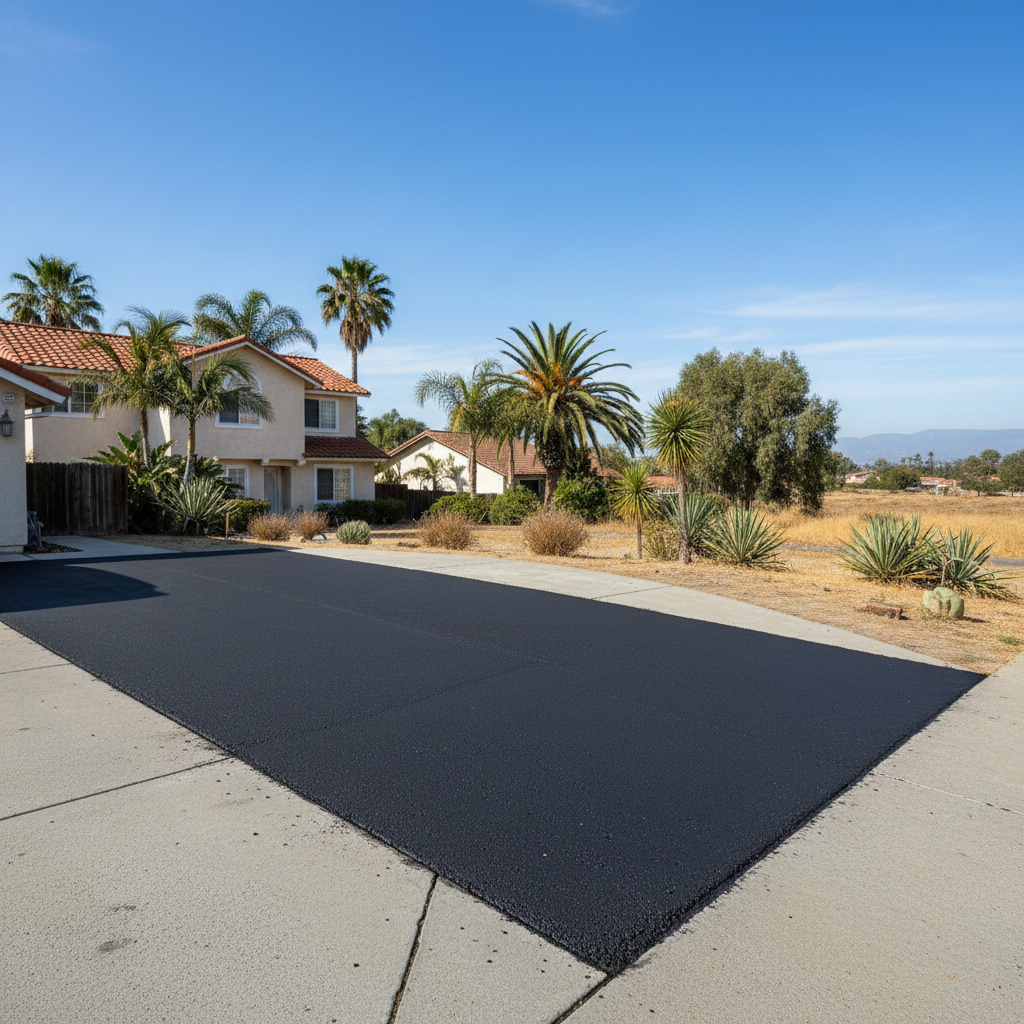
So, you've got some cracks or potholes messing up your asphalt driveway or private road right here in Los Angeles. Maybe it's the constant sun beating down, or those heavy vehicles, or just good old time doing its thing. You're probably thinking about getting it patched up, which is a really smart move — catch those smaller issues before they blow up into a full-on replacement job. But how do you actually plan for something like that? What's the real timeline, and what should you expect?
Setting Your Project Timeline
Let's talk about timing. From your first call to the finished patch, it's usually not an overnight miracle, but it's not a months-long headache either. Here’s a rough breakdown of what you can expect:
- Initial Contact & Quote (1-3 days): You give us (or another contractor) a call. We'll set up a time to swing by, check out your specific patching needs, measure everything, and then give you a detailed quote. This part usually happens pretty fast.
- Decision & Scheduling (1-2 weeks): Once you've gathered a few quotes and picked who you want to work with (we hope it's us, Los Angeles Diamond Asphalt!), you'll sign the contract. Then we'll get you on the schedule. This timeframe can shift a bit depending on how busy we are, how big your patch is, and, of course, the weather. We always try to be flexible, but good contractors often have a bit of a lead time.
- Permits (If Needed - 1-4 weeks): For most residential asphalt patching, you probably won't need a permit, especially if it's just a repair on your own private property. But if your project involves changing drainage, affects a public right-of-way, or is part of a bigger renovation, your contractor might need to pull one. We'd definitely talk about this upfront.
- The Work Itself (1-3 days): The actual patching work is usually pretty quick. Smaller patches might be finished in just a few hours. Bigger, more complex spots could take a day or two. We'll give you a clear estimate for this part, don't worry.
- Curing Time (24-72 hours): After we're done, the asphalt needs time to cure. You'll need to keep vehicles off it for at least 24-48 hours, sometimes a bit longer depending on the weather and the kind of patch. We'll tell you exactly when it's safe to drive on it again.
So, from start to finish, you're probably looking at anywhere from two to five weeks, with the actual hands-on work being just a small piece of that. Don't try to rush it; a good patch really needs proper planning.
What to Expect During the Process
When the crew shows up, here’s a typical rundown of what you’ll see:
- Prep Work: First, we'll mark out the areas that need patching. Then, we cut out the damaged sections of asphalt using special saws. This gives us clean edges for the new material to bond to. We'll haul away all the old, broken asphalt and debris.
- Base Inspection: This step is super important. We'll check the material underneath. If it's soft, wet, or unstable, we have to fix that first. A good patch is only as strong as its foundation. Sometimes, especially in areas with clay soils, like parts of the San Fernando Valley, the base can be compromised, and we might need to add or compact new aggregate.
- Applying Tack Coat: We spray a sticky liquid asphalt emulsion, called a tack coat, on the edges and base of the cutout area. Think of it like glue, helping the new asphalt stick properly to the old pavement.
- Laying New Asphalt: Fresh, hot asphalt mix then gets shoveled into the prepared spot. We make sure it's spread evenly and to the right depth.
- Compaction: This is where the real magic happens. We use heavy vibratory rollers or plate compactors to press the new asphalt down. This gets rid of air pockets, makes it dense, and ensures it's smooth and level with the surrounding pavement. Proper compaction is absolutely key for a patch that lasts.
- Cleanup: Once the patch is compacted, we'll clean up the work area, removing any leftover debris or tools.
How to Prepare for Patching Day
You don't need to do a ton, but a little preparation really helps things go smoothly:
- Clear the Area: Make sure the driveway or parking area is free of vehicles, trash cans, kids' toys, or anything else that might get in the way. We need clear access to all the patching spots.
- Inform Neighbors: If the work might affect shared driveways or create some temporary noise, a quick heads-up to your neighbors is always a nice gesture.
- Restrict Access: On the day of the work and while it's curing, make sure nobody drives or walks on the fresh asphalt. We'll put up cones or tape, but it helps if you can reinforce that with anyone who uses the area regularly.
- Ask About Utilities: If you have any underground utilities (sprinkler lines, electrical conduits, etc.) running near the patching area, please let your contractor know. We'll be careful, but it's always good to be aware.
Questions to Ask Before Signing a Contract
Before you commit, make sure you feel good about your contractor and the plan. Here are some questions you should definitely ask:
- What's your exact patching method? (Like, full-depth repair, surface patching, infrared repair?) – we'll explain why our chosen method is best for your specific damage.
- How do you prepare the base? (This is crucial for how long it'll last.)
- What type of asphalt mix will you use? (Different mixes work better for different traffic loads and climates.)
- What's the estimated timeline for the actual work and curing?
- What's included in the price? (Cleanup, materials, labor, tack coat, everything?)
- Do you provide a warranty for the patching work? If so, for how long and what does it cover?
- What's your plan for traffic control and keeping the site safe during the project?
- Are you licensed and insured for this kind of work in Los Angeles? (Always, always check this. Seriously.)
- Can you give me references from other patching jobs you've done recently?
Getting your asphalt patched is a smart investment to protect your property, no doubt about it. By understanding the process and asking the right questions, you'll ensure a smooth project and a repair that really lasts. If you're in LA and ready to get those cracks fixed, give us a call!