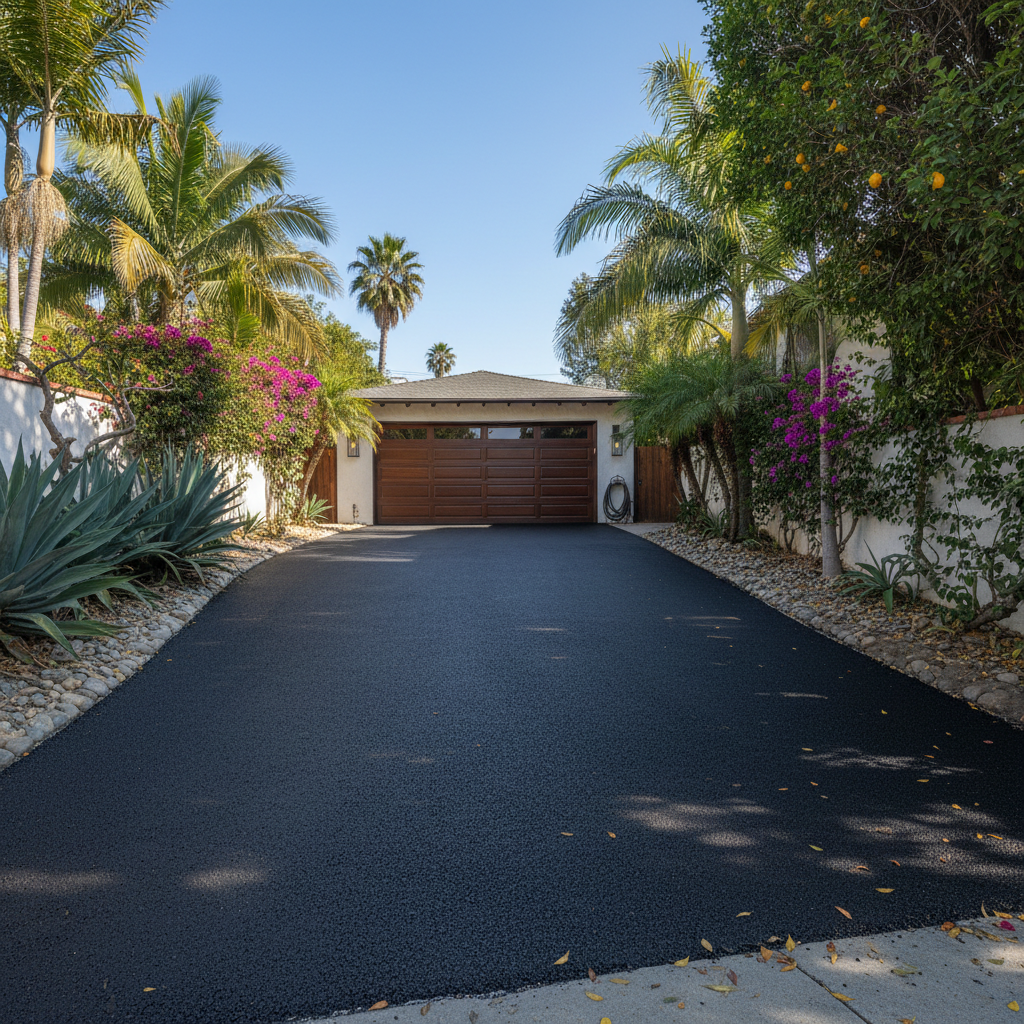
You just spent good money on a new asphalt driveway, or maybe you moved into a place that already had a pretty decent one. Either way, you want it to last, right? I totally get it. As a contractor, I've seen countless driveways, and I can tell you this much: the ones that hold up aren't just lucky. Someone's actually taking care of them.
Here in Los Angeles, we face some unique challenges. It's not like the East Coast with those brutal winters and snow plows, sure. But our intense sun, those sudden downpours, and even the dry Santa Ana winds can really beat up pavement if you're not paying attention. Good news is, a little bit of care upfront can make a huge difference.
How to Make Your Driveway Last Longer: The Basics
Think of your asphalt like your skin – it needs protection from the elements. The sun's UV rays are the biggest enemy here; they cause oxidation, which dries out the asphalt binder and makes it brittle. Water is the other major culprit. It sneaks into cracks and, especially with our occasional heavy rains, can wash away the base layer underneath.
- Sealcoating is Key: This is probably the most important thing you can do for your driveway. A good quality sealcoat works like sunscreen, blocking UV rays and creating a protective shield against water and oil spills. For homes, I usually tell people to sealcoat every 2-3 years. It really depends on how much traffic it gets and how much sun. If your driveway faces south and bakes all day, you might want to do it closer to every two years.
- Keep it Clean: Sounds simple, doesn't it? But sweeping off dirt, leaves, and other debris regularly stops organic matter from breaking down and staining the surface. Plus, it just looks better, frankly. If you get oil or gas spills, clean them up right away. Kitty litter or sand can soak up fresh spills; just sweep it away after. Don't let chemicals sit on your asphalt.
- Watch the Edges: Your driveway's edges are often its weakest spots. Make sure they're supported by a good shoulder of soil or landscaping. If cars keep driving off the edge, it'll crumble pretty quickly.
Regular Maintenance: What You Can Do Yourself
This isn't rocket science, folks. It's really just about paying attention and doing a few small things.
- Check it Often: Walk your driveway once a month, especially after a big rain or a stretch of really hot weather. Look for anything that seems off.
- Fix Small Cracks Fast: A tiny crack might seem harmless, but it's basically an open invitation for water to get under your asphalt. Once water gets in, especially with our clay soils in some parts of LA, it can soften and shift the sub-base, leading to bigger headaches like potholes. Grab some good quality crack filler – you can find it at most hardware stores. Just make sure the crack is clean and dry before you put it down.
- Trim Overhanging Branches: Tree roots can actually do a lot of damage to driveways over time. They grow underneath and can lift the pavement. Keep an eye on any trees near your driveway and trim back roots if they start becoming a problem.
Warning Signs You Shouldn't Ignore
Your driveway will definitely tell you what's going on if you know how to listen. Don't wait until these turn into huge, expensive problems.
- Alligator Cracking: This looks like a bunch of interconnected cracks, kind of like an alligator's skin. It means the asphalt is failing from the bottom up, usually because of a weak base or bad drainage. This isn't a DIY job; it means the whole structure is compromised.
- Potholes: Obvious, right? But a pothole isn't just a surface issue. It means water has gotten through the asphalt and eroded the base material. You can patch small ones, but if they keep popping up in the same spot, you've got a deeper problem.
- Depressions or Standing Water: If you see spots where water always collects after it rains, that's a low spot or a failing base. That standing water will speed up deterioration, no doubt about it.
- Fading and Discoloration: While sealcoating helps, if your asphalt looks particularly gray and faded, it's definitely time for a new sealcoat. It means the binder is drying out and losing its flexibility.
When to Call a Pro (Like Us at Los Angeles Diamond Asphalt)
Listen, I'm all for saving a buck, but some jobs are just too big for a typical homeowner's toolbox. If you see any of these, it's time to pick up the phone:
- Lots of Alligator Cracking: As I mentioned, this needs a professional to check it out. We'll probably have to remove and replace sections of the asphalt and fix the base.
- Big or Recurring Potholes: If you're patching the same pothole every year, that's a sign of a bigger issue that needs a professional repair, possibly involving digging it out and fixing the base.
- Major Drainage Problems: If water is constantly pooling on your driveway, or even worse, running towards your house, you need an expert to check the grading and drainage. This can stop serious foundation issues later on.
- Big Sinking or Rising Spots: If parts of your driveway are sinking or rising a lot, it's a sign of serious base failure or even expansive soils reacting to moisture. This needs immediate professional attention.
- You're Just Not Sure: If you're looking at something and thinking,