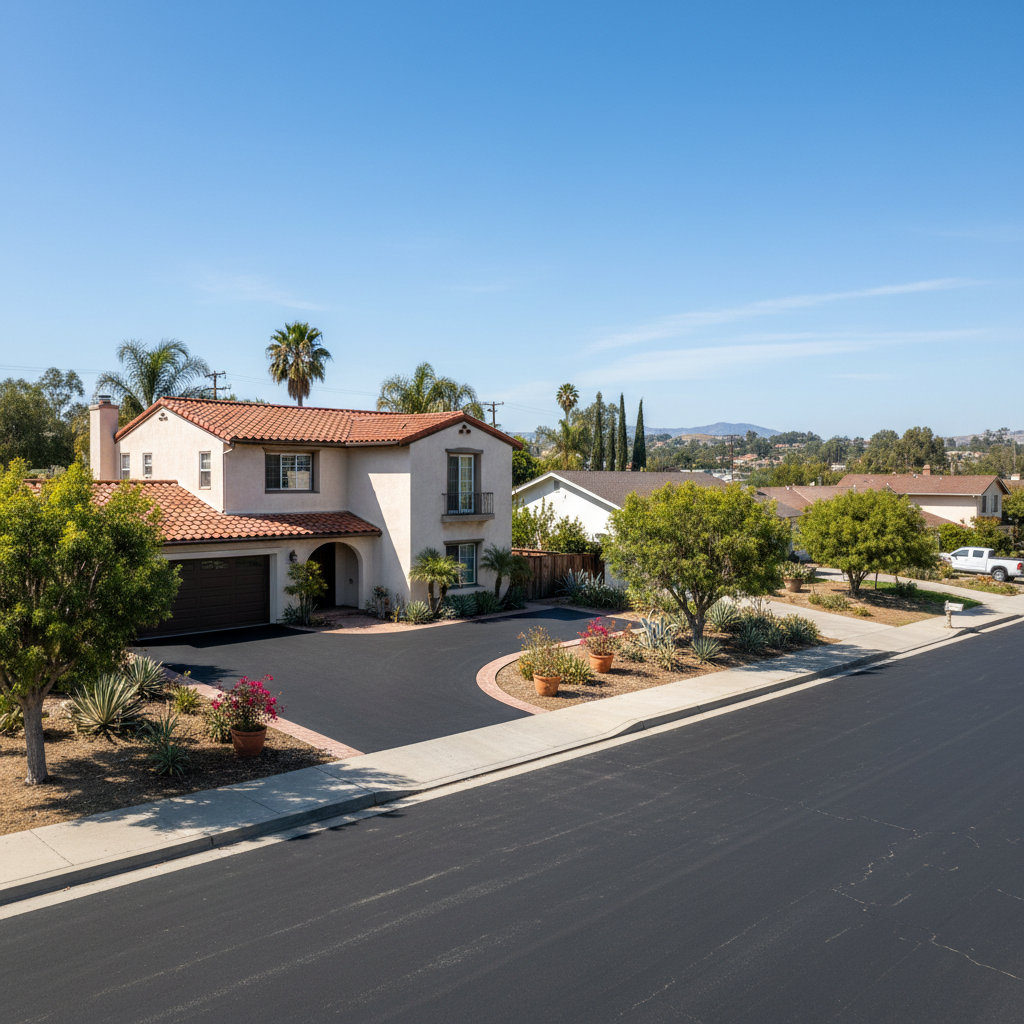
Ever wonder why that crack in your driveway or parking lot just keeps coming back, sometimes faster than you can even patch it? Or how your neighbor's asphalt seems to last for ages while yours is a total mess? Here in Los Angeles, it's not just about slapping down some hot mix; you really have to understand what's going on both underneath and on top of your pavement.
I've been fixing asphalt all over this city for a long time, and believe me, what works in a cold, snowy climate often isn't the best approach here. We've got our own unique challenges that make asphalt repair, well, a little special.
The LA Grind: What Makes Our Asphalt Different
First off, let's talk about the weather. We get a ton of sun, right? That constant UV exposure and heat can be absolutely brutal on asphalt. It dries out the binders, making the pavement brittle and much more likely to crack. Then, when we finally get a decent rain, that water finds its way into those tiny cracks and starts doing some real damage. It's a cycle I've watched play out countless times, from the huge commercial lots in the Valley to the tight, winding residential streets of Silver Lake.
Then there's the ground itself. We're sitting on some pretty active soil here in parts of LA. Expansive clays, especially in places like the San Fernando Valley, can swell up when they get wet and then shrink when they dry out. This constant movement puts a lot of stress on any rigid surface above it, including your asphalt. If your sub-base isn't prepped correctly to handle this, you're going to see cracks and dips no matter how good the top layer looks.
Traffic's another huge factor. Whether it's the never-ending stream of cars in a busy retail center in Santa Monica or just your family's vehicles going in and out of your driveway in Pasadena, that wear and tear really adds up. Heavy trucks making deliveries, trash collection, even just the sheer volume of daily use – it all contributes to the asphalt surface breaking down.
Common LA Asphalt Issues I See
So, what kind of problems do we usually run into around here? You'll spot a lot of:
- Alligator Cracking: This looks like a bunch of interconnected cracks, kind of like an alligator's skin. It usually signals a structural failure in the pavement, often because of a weak base or heavy traffic. Just patching these surface cracks won't actually fix the deeper problem.
- Longitudinal and Transverse Cracks: These are cracks that run either parallel or perpendicular to the way the pavement was laid. They can pop up from shrinkage, temperature changes, or "reflective cracking" from movement in the layers underneath.
- Potholes: Everyone knows a pothole. They form when water gets into cracks, freezes (not often here, but it can happen on cold winter nights, or just expands from traffic pressure), and then the surrounding asphalt breaks away. They're a trip hazard and can definitely damage vehicles.
- Depressions and Rutting: These are spots where the asphalt has sunk down or formed channels. Often, heavy loads repeatedly traveling over the same spot cause them, or again, there might be issues with the sub-base.
For us at Los Angeles Diamond Asphalt, when we come out to check a job, we're not just looking at the surface. We're really trying to figure out why the problem is happening. Is it water getting in? A failing sub-base? Or just plain old age and sun damage? The right fix totally depends on the right diagnosis.
Why Local Expertise Isn't Just a Buzzword
You might think asphalt is asphalt, but knowing the local conditions makes a huge difference. A contractor from out of state, or even from a different part of California, might not grasp the specific soil conditions we deal with, or how our long, hot summers impact pavement materials. They might just use a generic repair method that simply won't hold up here.
For instance, if you've got expansive clay soil, a contractor who doesn't factor that into their sub-base prep is basically setting you up for failure. Or if your parking lot gets direct, all-day sun, we'll suggest specific sealants or repair methods that offer better UV protection and flexibility. We also know the local building codes, which is always a good thing when you're doing any kind of construction work, right?
We've truly seen it all, from small residential driveways in the Hollywood Hills that need careful attention to drainage, to big commercial properties in Downey where heavy truck traffic demands a much tougher solution. Understanding the nuances of each neighborhood and its specific challenges is key to a repair that actually lasts.
Don't just get a patch job that'll fail in six months. Get a repair that tackles the root cause, designed specifically for the unique environment of Los Angeles. That's how you save money and headaches in the long run, believe me.