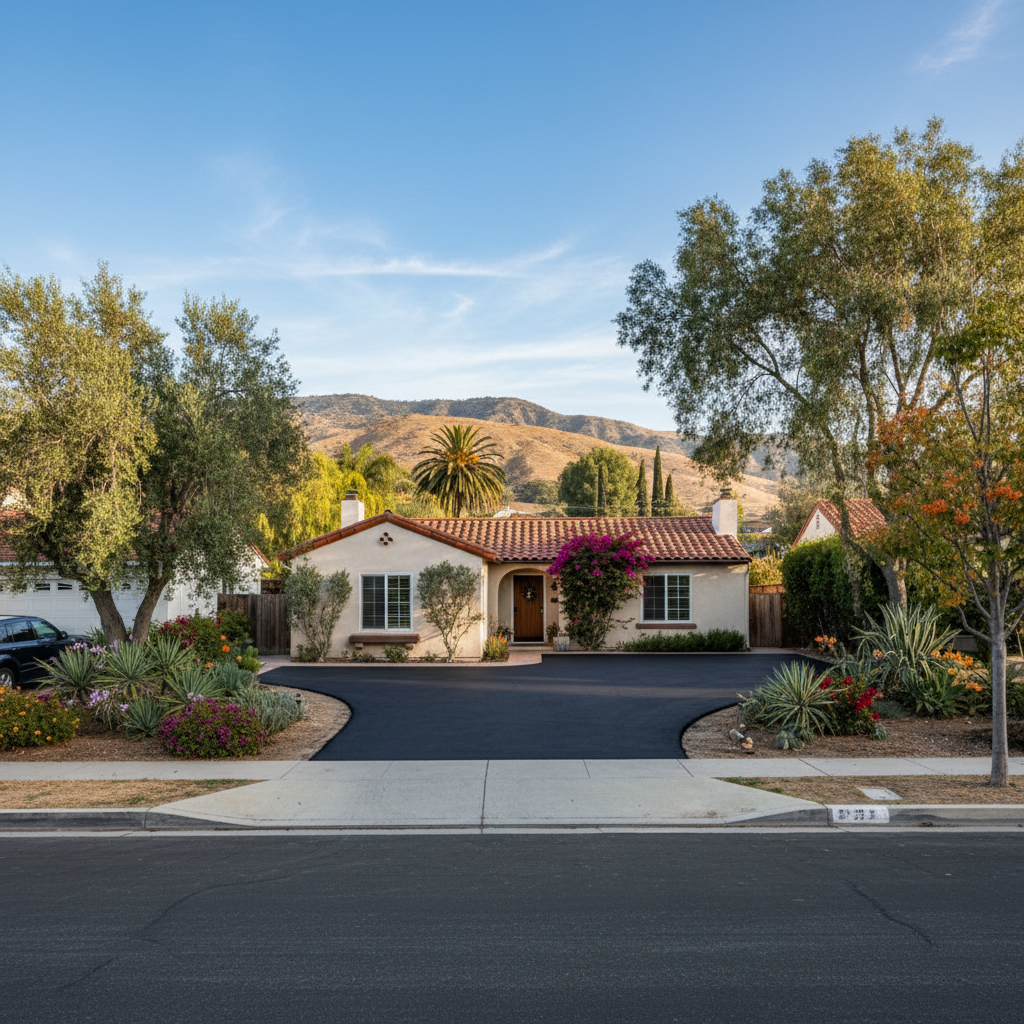
You've seen them, haven't you? Those ugly cracks snaking across your driveway, or the potholes that make your parking lot feel like a battlefield. It's more than just an eyesore; it's a real hazard and a clear sign your asphalt needs some serious help. Here in Los Angeles, we face a lot of unique challenges that can really mess with your pavement.
Why Your LA Asphalt Takes a Beating
Our weather, believe it or not, plays a huge part. We don't get extreme freezes like some places do, but that intense summer sun? It bakes the asphalt, making it expand. Then, when night falls and things cool down, it contracts. This constant push and pull weakens the material over time, leading to those tiny hairline cracks that eventually become much bigger problems. And when those heavy winter rains finally hit, water seeps right into those cracks, undermining the base layer. That's when you start seeing potholes form, especially in spots with heavy traffic or poor drainage.
Think about a place like the Hollywood Hills. You've got steep driveways there, often built on soil that shifts around. The constant pressure from vehicles, plus potential ground movement, puts a lot of stress on asphalt. A quick patch might hold for a bit, sure, but if you don't fix the underlying issues — things like drainage or how stable the base is — you're just slapping a band-aid on a much bigger wound. I've seen it happen countless times.
Not All Cracks Are Created Equal
When you call us at Los Angeles Diamond Asphalt, we're not just looking to fill a hole. We're actually diagnosing the problem. Different kinds of cracks tell us different stories about what's really going on underneath the surface.
- Alligator Cracking: This one looks exactly like, well, alligator skin. It's a network of cracks all connected, and it usually means the base layer has failed. This isn't a simple surface fix; often, we need to remove the damaged section and rebuild the base completely.
- Linear Cracking: These are long, straight cracks, often running parallel to the edge of the pavement or in the direction cars drive. They can pop up because of fatigue, poor construction joints, or even utility trenches buried below.
- Edge Cracking: You'll find these along the very outer edges of your pavement. They're often caused by a lack of support at the edges, bad drainage, or heavy vehicles driving too close to the unsupported side.
- Potholes: Everyone knows a pothole when they see one. They usually happen when water gets into cracks, freezes (less common here, but those cold snaps can still do it), and expands, or just from the base weakening over time with traffic impact.
Understanding these differences is key to picking the right repair method. You wouldn't use a hammer to fix a leaky faucet, right? It's the same idea with asphalt.
The Right Repair for the Job
For minor cracks, a simple crack sealing application can do the trick. We clean out the crack, apply a hot-pour sealant, and it stops water from getting in and making things worse. It's a preventative measure, really, that significantly extends your pavement's life.
For larger, isolated potholes or areas with alligator cracking, we often suggest a patch repair. This means cutting out the damaged section, getting the base ready, and then filling it with fresh, hot asphalt. It's more involved than just dumping some cold patch mix in there, but it lasts. Cold patch is a temporary fix, good for emergencies, but it just won't hold up long-term under LA's traffic and weather.
Sometimes, if the damage is widespread but not bad enough for a full repave, an overlay might be an option. Here, we clean and prep the existing surface, then put down a new layer of asphalt right over the top. It's a cost-effective way to get a fresh, smooth surface without the expense of a complete tear-out.
Why Local Expertise Matters for Asphalt Repair
You might think asphalt is asphalt, no matter where you are. But I can tell you, working here in Los Angeles, you pick up a lot. You learn about the soil types — everything from the sandy areas near the coast to the clay-heavy soils inland. You learn about the specific traffic patterns on our busy streets and how they wear down pavement. You even learn about the city's permitting requirements and how to handle them efficiently.
A contractor who's been working in the Valley or down in Long Beach for years understands the little nuances that an out-of-town company simply won't. We know what materials perform best under our specific conditions, and we know how to properly prepare a site to make sure the repair lasts. It's not just about laying down asphalt; it's about understanding the environment it's going into, you know?
Don't let those cracks and potholes get out of hand. A small repair now can save you a ton of money and headaches down the road. If you're seeing signs of wear on your asphalt, give us a call. We'll come out, take a look, and give you an honest assessment of what needs to be done to get your pavement back in top shape.