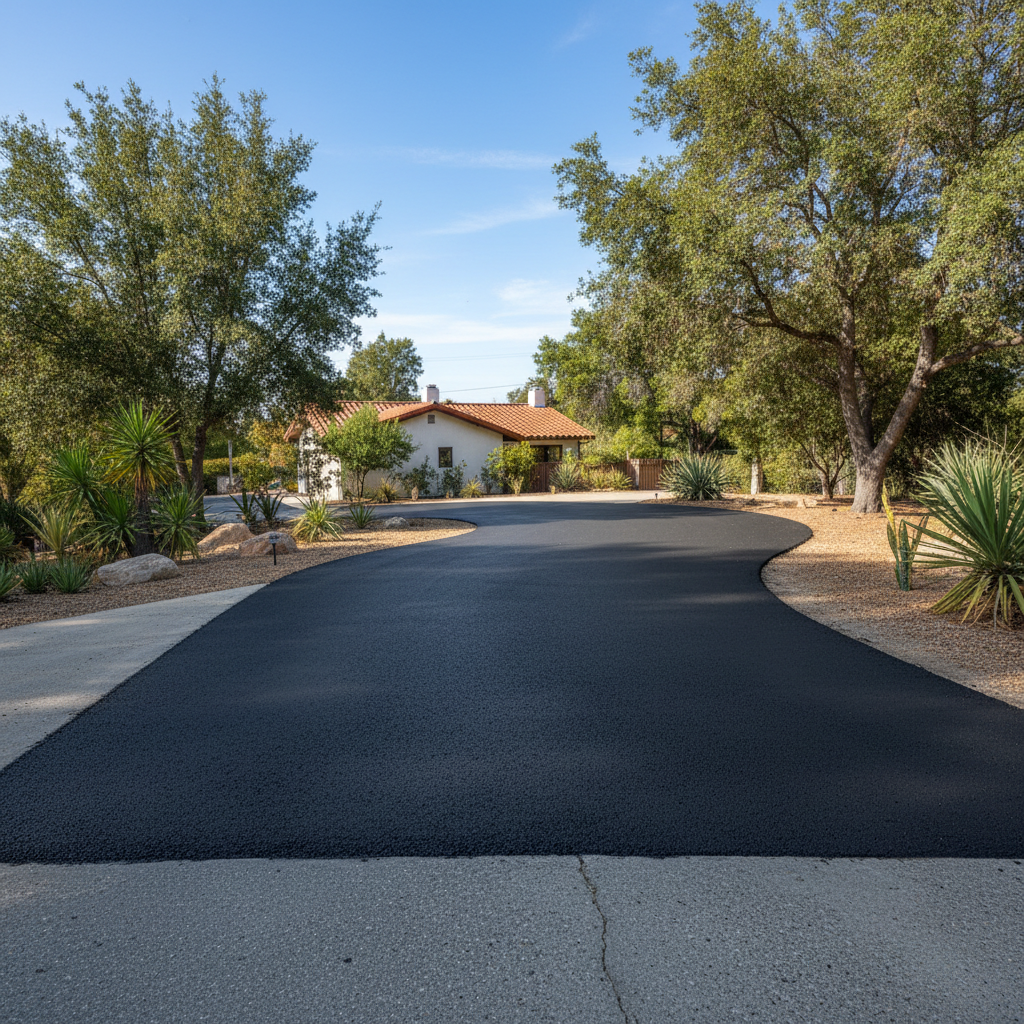
Got an asphalt repair project on your mind? Good. It's a smart move to address those cracks and potholes before they turn into bigger, more expensive headaches. But here's the thing: I've seen a lot of folks in Los Angeles make some pretty common blunders that end up costing them more time, money, and frustration than they ever expected. As a contractor who's been doing this for years, I want to help you avoid those traps.
Mistake #1: Ignoring the Root Cause
This is probably the biggest one. You see a crack, you think, "Okay, I need to fill that crack." And sure, filling a crack is part of the solution. But why did the crack happen in the first place? Was it poor drainage? Tree roots? Subgrade issues? If you just patch the surface without understanding the underlying problem, that crack is coming back. Or worse, a new one will pop up right next to it. I've seen driveways in places like the Hollywood Hills, where the soil can be pretty unstable, get patched over and over because no one bothered to check if the foundation was shifting or if water was pooling in the wrong spot. Always ask your contractor what they think caused the damage, not just how they're going to fix it.
Mistake #2: Going for the Absolute Cheapest Bid
Look, I get it. Money matters. Everyone wants a good deal. But when it comes to asphalt repair, the lowest bid is almost never the best bid. In fact, it's often a huge red flag. A contractor who's significantly cheaper than everyone else might be cutting corners on materials, labor, or even proper insurance. They might use a thinner asphalt layer, skip crucial prep work, or use low-quality sealants that won't last. You'll save a few bucks upfront, but you'll be calling someone like Los Angeles Diamond Asphalt back in a year or two to fix the same problem again. Good work costs money because it uses good materials and skilled labor. It's an investment, not just an expense.
Mistake #3: Not Getting Everything in Writing
This seems obvious, right? But you'd be surprised how many homeowners shake hands on a deal and then are shocked when the final bill is different, or the scope of work isn't what they expected. Every single detail needs to be in a written contract. This includes the exact scope of work (what areas will be repaired, what kind of repair), the materials to be used, the timeline, the total cost, payment schedule, and any warranties. If it's not written down, it doesn't exist. This protects both you and the contractor and prevents misunderstandings down the line.
Mistake #4: Skipping the Contractor's Background Check
You wouldn't hire someone to babysit your kids without checking references, would you? The same goes for someone working on your property. Don't just trust a flyer or a quick online search. Ask for references and actually call them. Check their license with the Contractors State License Board (CSLB) – it's a quick online search and it'll tell you if they're licensed, bonded, and insured. Look at their online reviews, but take them with a grain of salt; a few bad reviews aren't necessarily a dealbreaker, but a pattern of complaints about quality or professionalism should make you wary. A reputable contractor won't have an issue providing this information.
Mistake #5: Not Understanding the Repair Options
There's more than one way to fix asphalt. You've got crack filling, patching (like saw-cut and remove, or skin patching), and sometimes, if the damage is widespread, a full-depth replacement of a section. A good contractor will explain the different options for your specific situation, along with the pros, cons, and expected lifespan of each. If a contractor only offers one solution without explaining why it's the best fit for your problem, be cautious. You want someone who educates you, not just sells you.
Mistake #6: Forgetting About Proper Drainage
Los Angeles gets its fair share of rain, even if it feels like we're always in a drought. And when it rains, water needs to go somewhere. Poor drainage is a massive contributor to asphalt failure. If your repair plan doesn't address how water will be directed away from your asphalt surface, you're setting yourself up for future problems. Puddles and standing water will erode the subgrade and lead to new cracks and potholes. Make sure your contractor considers the slope and drainage around your repair area.
Mistake #7: Neglecting Post-Repair Maintenance
You've invested in a repair, great! Now protect that investment. Asphalt isn't a set-it-and-forget-it material. It needs occasional maintenance, like sealcoating every few years, to extend its life. Sealcoating protects the asphalt from UV rays, water penetration, and oil spills, which are all common in a busy city like ours. Ask your contractor about a maintenance schedule and what you can do to keep your newly repaired asphalt looking good and lasting longer.
By avoiding these common mistakes, you'll not only get a better, longer-lasting repair, but you'll also have a much smoother experience overall. Do your homework, ask the right questions, and don't be afraid to walk away if something feels off. Your asphalt — and your wallet — will thank you for it.