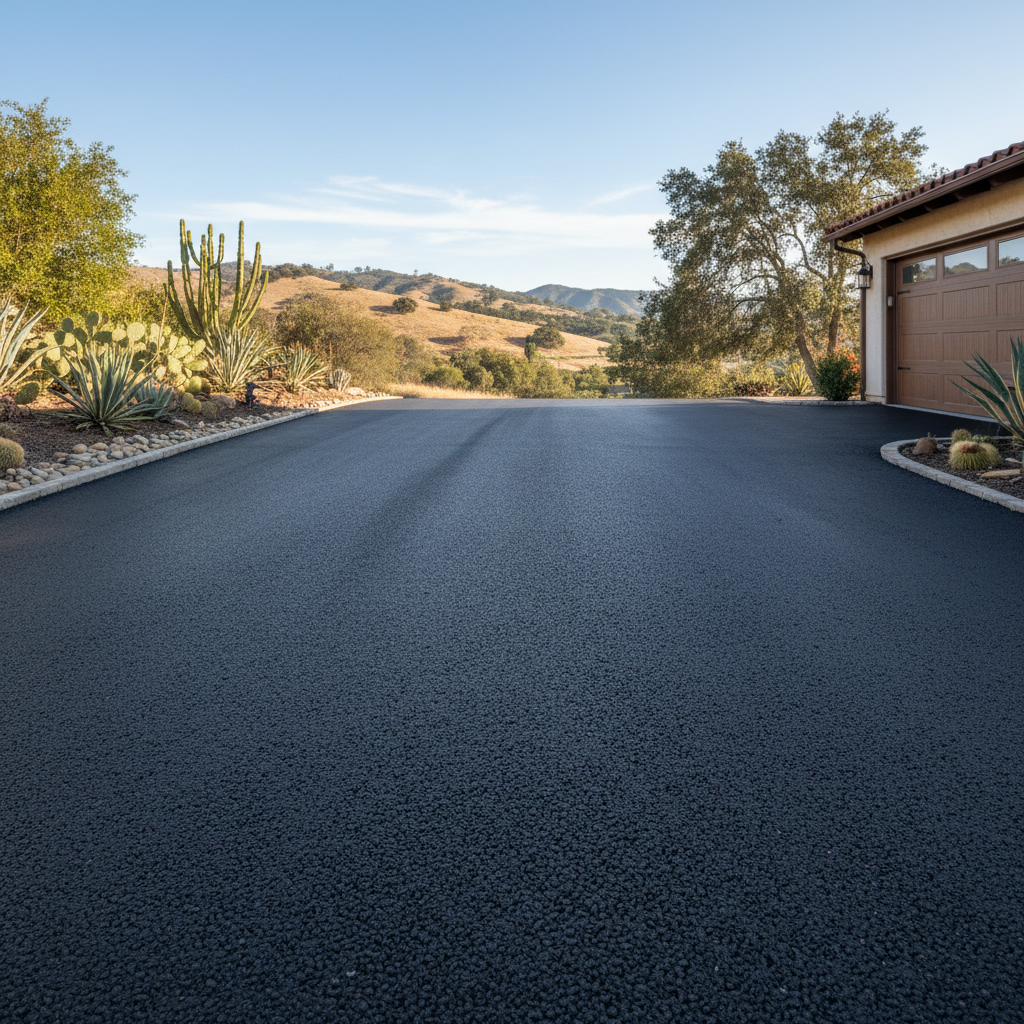
So, you've got asphalt, right? Whether it's your driveway, a big parking lot, or even a private road, it's there. And if you're living in Los Angeles, you already know that pavement here faces some pretty specific challenges. It's not just about looking good, though that helps; it's really about protecting your investment and making sure it holds up. I've seen countless jobs over my years in this business, and believe me, a little proactive maintenance really does go a long way.
Why LA's Weather Really Needs Special Asphalt Care
Our climate right here in LA is kind of a mixed bag for asphalt, wouldn't you say? We get pounded with intense UV exposure from that constant California sun, which just bakes the oils right out of the asphalt binder, making it brittle. Then, when it *does* rain – especially after one of our long, dry spells – that water can really sneak into any small cracks that have formed. You also can't forget the sheer volume of traffic in places like the Valley or West LA. All that weight and constant movement puts a ton of stress on the surface.
If you ignore these things, your pavement will just fall apart faster. It's not just about how it looks; we're talking about its actual structure. You want your asphalt to stand up to the sun, the occasional downpour, and the daily grind of cars and trucks, don't you?
Making Your Asphalt Pavement Last Longer
Look, asphalt isn't something you can just "set and forget." It needs some attention to hit its full lifespan. Here's what I usually tell people:
- Sealcoating is Crucial: This is probably the single most important thing you can do. A good quality sealcoat shields the asphalt from UV rays, keeps water from seeping in, and even protects against oil spills. Think of it like sunscreen for your driveway, honestly. For most properties in LA, I'd say every 2-3 years is a good schedule, depending on how much traffic it sees and how much sun it gets.
- Good Drainage Matters: Water is asphalt's arch-nemesis. So, make sure your drainage systems – I mean gutters, drains, and slopes – are all doing their job correctly. Standing water on your pavement will soften it, lead to potholes, and just speed up its deterioration. If you notice low spots where water just sits, that's a problem you absolutely need to fix.
- Don't Overload It: Really heavy vehicles can cause serious damage. If you've got big trucks or equipment regularly driving on your asphalt, you need to be sure the base layer was built to handle that kind of weight. If not, you'll see cracks and rutting develop much, much faster.
- Clean Up Spills Fast: Oil, gas, and other chemicals can actually break down the asphalt binder. Clean up any spills as quickly as you can, before they have a chance to soak in.
Regular Maintenance: Your Pavement's Best Friend
Beyond sealcoating, there are everyday things you can do. It's not rocket science, but these little habits make a real difference.
- Keep it Tidy: Sweep away dirt, leaves, and other debris. This stops organic stuff from breaking down and holding moisture right against the surface. Plus, it keeps small stones from grinding into the asphalt when cars drive over them.
- Fix Cracks Early: Small cracks are super easy to fix with crack filler. If you let them go, water gets in, freezes (which is rare here, but can happen in higher elevations or on really cold nights), expands, and turns a tiny crack into a huge pothole. This is especially true after our dry summers; when the first rains hit, those fine cracks become superhighways for water.
- Watch the Edges: The edges of your asphalt are often the weakest spots. Keep vegetation trimmed back and make sure the edges aren't crumbling away.
Warning Signs: Don't Just Ignore These
Your asphalt will definitely tell you when it's in trouble, if you just know what to look for. Catching these problems early can save you a ton of money later on.
- Cracks: We're talking more than just hairline cracks here. Look for alligator cracking (that's a series of interconnected cracks that look like alligator skin), longitudinal cracks (which run parallel to the pavement's direction), or transverse cracks (running perpendicular). Alligator cracking is a serious red flag, pointing to a base failure.
- Potholes: These are pretty obvious, right? They start small, but traffic and water will make them grow fast. Don't wait on these.
- Fading and Discoloration: If your asphalt looks gray instead of that deep black, it means the binder is oxidizing from sun exposure. This means it's losing its flexibility and getting brittle.
- Raveling: This happens when the aggregate (the small stones) starts to come loose from the surface. It often looks like a rough, sandy texture. It's a sign the binder is failing.
- Standing Water/Poor Drainage: Like I said before, if you see puddles forming and just sitting there, not draining away, that's a problem that needs immediate attention.
When to Call a Pro
You can handle sweeping and maybe even some minor crack filling yourself, but for anything more serious, you really need to bring in the experts. Here's when to give us a call:
- Lots of Cracking: If you're seeing widespread alligator cracking or deep, wide cracks, that's way beyond a DIY fix. It usually means there's an issue with the base underneath.
- Big Potholes or Many Potholes: While you can patch a small pothole, a professional repair will hold up better and blend in more smoothly. If you've got several potholes, it's time for a more thorough assessment.
- Raveling or Significant Surface Deterioration: If the surface is literally falling apart, you might need an overlay or even a full-depth replacement, not just a simple patch.
- Drainage Issues: If water isn't draining correctly, a professional can check the grading and suggest solutions, whether that's installing drains or regrading the area.
- Before Sealcoating: Sure, some folks try to sealcoat themselves, but a professional job guarantees the surface is prepped right, the application is even, and we use the correct product for your specific asphalt. We've got the equipment and the know-how to get it done right, you know?
- Anytime You're Unsure: Seriously, if you see something that just doesn't look right, give us a call. It's always better to get an expert opinion early. We're Los Angeles Diamond Asphalt, and we're always happy to come take a look and give you an honest assessment. We'd much rather help you prevent a big problem than have to fix a huge one.
Taking care of your asphalt isn't exactly glamorous work, but it's absolutely essential. A little bit of attention now saves you a lot of headaches and money down the road. Keep an eye on your pavement, especially with our crazy LA weather, and you'll keep it strong for years to come.