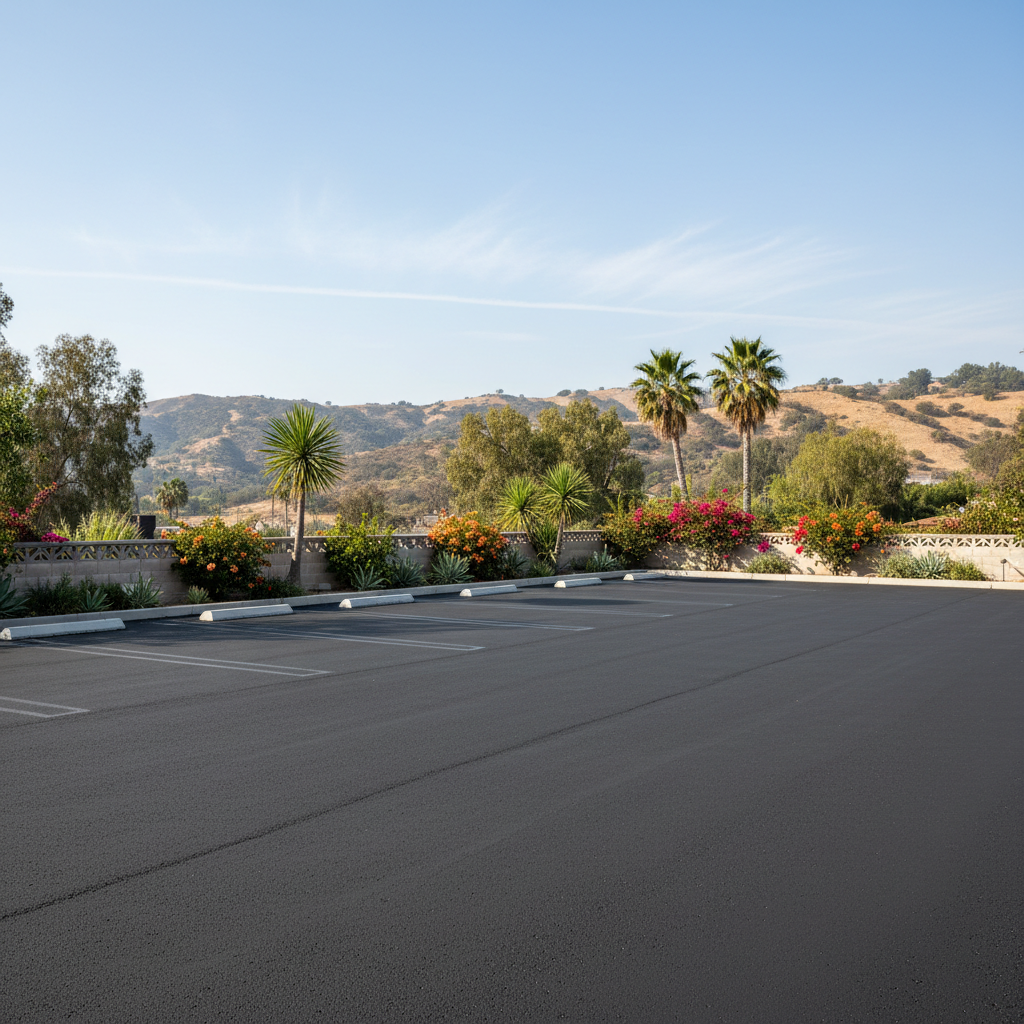
So, you've just put in a new parking lot, or maybe you finally got that big repair job done. Awesome. But that's not the whole story, is it? Think of it like a new car; you wouldn't just drive it off the lot and then never change the oil, right? Your asphalt parking lot needs some attention too, especially with our wild LA sun and the sheer amount of traffic most businesses deal with.
Ignoring maintenance is the quickest way to turn a perfectly good parking lot into a mess of potholes and cracks. And believe me, that's definitely not the first impression you want to give your customers or tenants. Here’s what I always tell my clients about keeping their pavement in great shape.
Extend Your Pavement's Life: Simple Steps
The biggest enemies of asphalt, besides heavy traffic, are water and UV rays. Our intense California sun bakes the oils right out of the asphalt, making it brittle. Then, when we actually get some rain, that water seeps into those tiny cracks, freezes (it's rare here, but it can happen in the mountains or colder parts of LA County, you know?), expands, and boom – bigger cracks. Or it just sits there, softening the base.
- Sealcoating is your best friend: I know, I know, we've talked about sealcoating before, but it's really worth bringing up again when we're talking about making your pavement last. It’s basically sunscreen for your asphalt. It puts a protective layer over the surface, blocking those harsh UV rays and sealing up tiny hairline cracks before they turn into major headaches. For most commercial lots, you're probably looking at needing this every 2-3 years, depending on how much traffic it sees and how much sun it gets.
- Keep it clean: Dirt, debris, oil spills, and chemicals don't just look bad; they actually break down asphalt. Oil and gas are petroleum-based, just like asphalt, so they literally dissolve the binder. Sweep regularly, and clean up any spills right away. A good power wash every now and then can really make a difference.
- Proper drainage is key: If you've got standing water after a rain, you've got a real problem. Water pooling on your asphalt is a death sentence, plain and simple. It softens the sub-base and quickly leads to cracking and potholes. Make sure your drains are clear and your lot is graded correctly. If you spot puddles, get someone to take a look at the grading.
What Regular Maintenance Looks Like
Beyond sealcoating and cleaning, there’s a routine you should really get into. It’s not rocket science, but it does need a little bit of attention.
- Walk the lot: Seriously, once a month, just take a stroll around your parking lot. Look for anything that seems off. Are there new cracks? Is the paint fading? Do you see any oil spots? This proactive approach helps you catch small issues before they become expensive headaches.
- Crack filling: This is probably the most critical regular maintenance task. As soon as you see a crack, even a tiny one, get it filled. Cracks are like open doors for water, and once water gets under the asphalt, it's game over. Hot crack filler expands and contracts with the pavement, keeping that seal nice and tight.
- Line striping: Faded lines aren't just ugly; they're a safety hazard and can lead to total parking chaos. Re-striping every 1-2 years keeps your lot looking sharp and safe. We often do it right after sealcoating.
Warning Signs You Can't Ignore
Your parking lot will definitely tell you when it's in trouble, if you just know what to look for. Don't wait until someone trips or, worse, blows a tire.
- Alligator cracking: This looks exactly like alligator skin – a network of interconnected cracks. It means the asphalt layer has failed, usually because of a weak base or really heavy loads. This isn't just a simple crack fill job; it often needs patching or even a full-depth repair.
- Potholes: Everyone knows a pothole, right? They start small, often from alligator cracking or an unsealed crack, and then traffic just breaks away the weakened asphalt. Fill them fast! They're dangerous and they grow incredibly quickly.
- Depressions or rutting: If you notice areas where the asphalt has sunk or formed grooves, especially in high-traffic lanes or near entrances, that's a sign of sub-base failure. The ground underneath just isn't supporting the pavement anymore. This needs professional attention to fix the underlying issue, not just the surface.
- Fading or crumbling edges: If the edges of your lot are breaking apart, it means the asphalt is degrading. This is pretty common in older lots or areas that weren't compacted properly.
When to Call a Professional
Look, I'm a contractor, so of course I'm going to tell you to call a pro. But honestly, some jobs are just too big for a DIY fix, especially if you want it done right and to actually last.
- Any significant cracking or potholes: If you're seeing widespread alligator cracking, multiple deep potholes, or large areas of rutting, it's definitely time to call someone like Los Angeles Diamond Asphalt. We'll check out the damage and recommend the right repair, whether that's patching, an overlay, or a full-depth replacement.
- Drainage issues: If water is constantly pooling, you need an expert to figure out why and how to fix the grading. Improper drainage will destroy your lot faster than anything else out there.
- Major repairs or new paving: This one's pretty obvious. You wouldn't try to build a house yourself, so don't try to pave an entire parking lot. It requires specialized equipment, materials, and real expertise to make sure you get proper compaction and long-term durability.
- Before you buy or sell property: If you're looking at commercial property, get a pavement inspection. An old, neglected parking lot can easily become a massive hidden expense.
Your parking lot is a big asset and often the first impression people get. A little regular care goes a long way in protecting that investment and keeping your property looking sharp for years and years.